

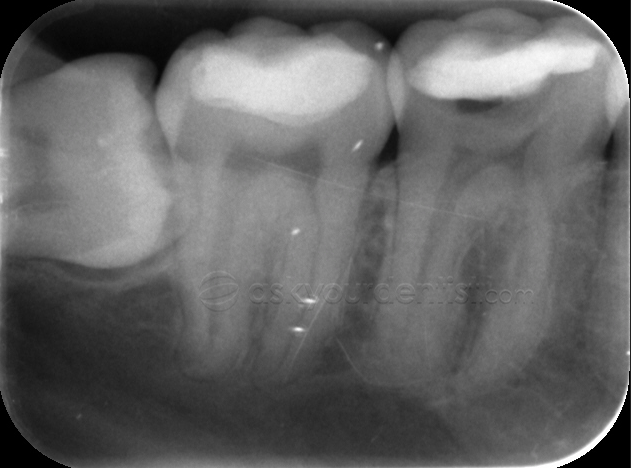
Wisdom teeth are the last teeth to erupt in the mouth. Often the rest
of the teeth have already taken up the available space in the jaw and
the wisdom tooth is left with little or no space at all.
This means the wisdom tooth can erupt partially (part of the tooth
outside the gum and the rest covered with the gum) or stay completely
covered with bone and gums and is then called impacted wisdom tooth.
People usually have four wisdom teeth, but some people have fewer or none and in rare cases some will have more than four.
Do I need to remove my wisdom tooth?
There are few reasons for a wisdom tooth to be removed. The most common ones are:
- Pericoronitis: It is when the socket around the wisdom tooth gets infected and inflamed. It becomes swollen, painful and can cause a bad taste.
- Tooth Decay.
- Abnormal growth of the surrounding tissue like cysts, tumours or other rare conditions.
- Pain associated with the eruption of the wisdom tooth.
- Gum Disease
- Lack of space: The wisdom tooth can erupt in an unfavourable angle where teeth are crowded causing irritation to the adjacent oral tissue.
Can my dentist remove wisdom teeth?
Some wisdom teeth are easier to remove than others. The dental surgeon decides whether the case should be treated as a normal Tooth Extraction. When and Why., or should be referred to a specialist in Oral Surgery.
Questions and answers
Q: My teeth were straight but now they are getting
crowded and uneven in the front. Are my wisdom teeth pushing the other
teeth together?
A: No. This happens even if a person does not have wisdom teeth present.
Q: I had a problem with the lower wisdom tooth but my dentist took the upper wisdom tooth out. Why did he/she do that?
A: In some cases the upper wisdom tooth bites on the gum around the
lower wisdom tooth causing it to get swollen and painful. The patient
experiences the pain in the lower jaw. If the upper wisdom tooth is
removed, the cause of the trauma is removed and the pain and the
swelling disappear.